Nacionalni Park Plitvička Jezera Official Portal
Pre-order required dated and timed entrance tickets, check electric boat operating schedules across Lake Kozjak, and review water conservation laws.
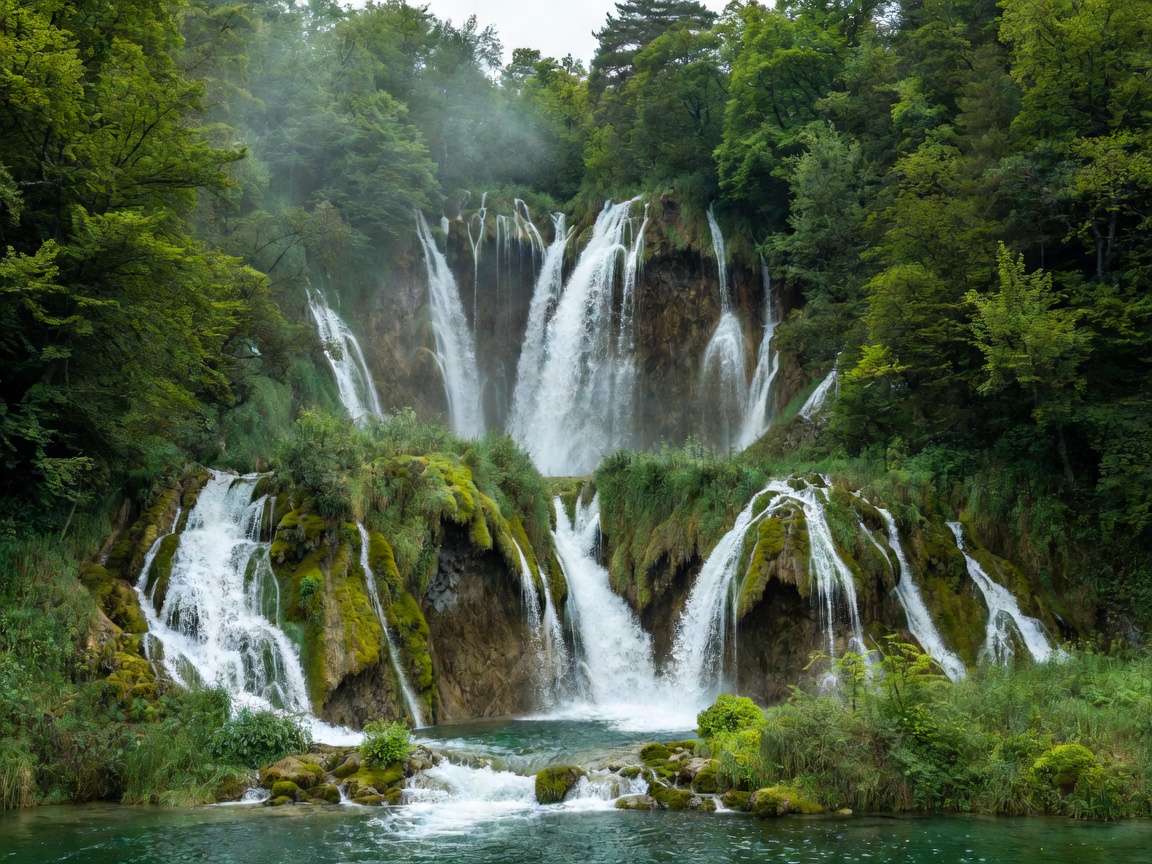
Field Gallery & Topography
Verified Trail Specifications
| Primary Expedition Route | Program C Circuit (Complete Upper and Lower Lakes Traverse) |
|---|---|
| Total Trail Distance | 8.9 km (5.5 miles walking loop + boat crossing) |
| Vertical Elevation Change | 190 meters (623 ft) gentle gradual incline |
| Highest Lake Elevation | 636 meters (Prošćansko Lake) descending to 503 meters (Novakovića Brod) |
| Expected Walking Duration | 3.5 to 4.5 hours relaxing active pace |
| Terrain Profile | Raised narrow timber log footbridges without handrails, compacted crushed limestone paths, earthen beech canopy tracks |
| Native Wildlife | European brown bear, grey wolf, Eurasian lynx, European otter, 161 species of birds, wild trout |
| Key Flora Species | Virgin beech, silver fir, common hornbeam, rare yellow lady's slipper orchid |
| Ticket Requirements | Mandatory dated and hourly slot ticket; tickets must be booked at least 24 hours prior to arrival during summer peak months |
| Strict Conservation Mandates | Swimming, wading, fishing, and straying off the boardwalks are strictly prohibited to prevent erosion of the fragile living tufa barriers |
Gradual Traverse Profile (Entrance 1 Veliki Slap to Upper Lakes)
Verified Backcountry Testimonials
Expedition verified: May 2025
"Catching the 8:00 AM first entry from Entrance 1 is pure magic. The morning mist hanging over Veliki Slap (the Great Waterfall) burns off into luminous emerald pools with zero footsteps on the wooden logs."
Expedition verified: October 2025
"The beech forests of the Upper Lakes glow incandescent orange in mid-autumn. The living tufa barriers—formed by moss, algae, and calcium carbonate deposition—are exceptionally fragile and deserve complete reverence."